 Phone: +86 18066376807
 E-mail: ellen.zheng@mutaiele.com


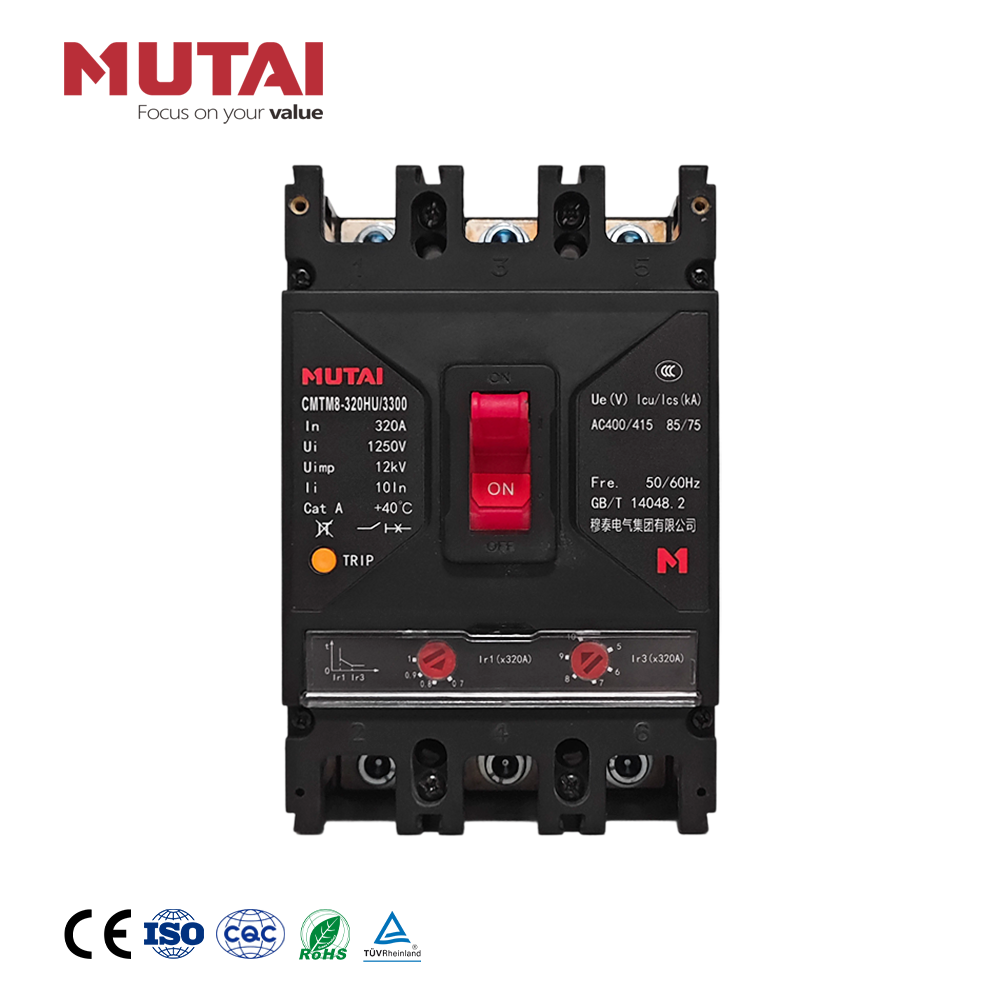
It is important in electrical engineering to know about devices that ensure safety of a system. One such device is a MCCB (moulded case circuit breaker) that is an essential component of protecting electrical circuits against overloads and short-circuits. The MCCB is responsible for disconnecting power in case of a breakdown.
What is MCCB Used For?
The main role of the MCCB is to prevent overloads or short circuit risks. The MCCB trips and disconnects power supply from electrical system when it senses any fault in the power system. The functioning of MCCB is important in protecting against risks such as fire or electrical failure in many cases like factories and commercial buildings.
Key Features of MCCB
MCCBs come with several important features that enhance their effectiveness:
- Adjustable trip settings – enables the option of making adjustments based on load requirements, which makes them adaptable for various uses.
- Current rating variety – provided in several current ratings, like 100A MCCB or 200A MCCB, depending on the electrical load applications required.
- Phase configurations – can be developed for either single-phase or three-phase utilization,, rendering them practical in diverse environments.
Applications of MCCB
MCCBs are widely utilized in numerous fields. For instance, they are integral to:
- Industrial equipment, protecting machinery from electrical faults.
- Commercial buildings, ensuring the safety of electrical systems.
- Residential wiring, safeguarding homes against potential electrical hazards.
Why Choose an MCCB Over Other Circuit Breakers?
MCCBs have different advantages compared to other circuit breakers like miniature circuit breakers (MCBs) and residual current circuit breakers (RCCBs). Their capability of handling large currents as well as having adjustable trips make them a preferred choice for high-demand applications. Furthermore, their strong design makes sure they are durable, thus providing solutions in places where installation of high loads is required.
Frequently Asked Questions
What is the difference between MCCB and MCB?MCBs and MCCBs are similar in that both of them give protection to electrical circuits, while the former has a higher current rating and has the capacity for adjustable trip settings in contrast to the MCBs which have fixed settings.
How do I choose the right MCCB?Choosing the appropriate MCCB requires taking into account the electrical load, desired attributes (such as phase and current capacity), along with special application demands. Seeking help from a specialist will guarantee the proper functioning of the equipment.
Can MCCBs be used in homes?Certainly, MCCBs can be utilized in domestic applications, ensuring better overall safety of home electrical installations, especially in larger residential buildings with considerable consumption of electricity.
In conclusion, the MCCB is a vital element in contemporary electrical systems, offering essential protection from overloads and short circuits. With its versatility in terms of rating and configuration, such as a single-phase MCCB or 100A MCCB, it can satisfy different electrical requirements. Whether in industrial, commercial, or residential applications, proper selection of an MCCB is necessary to ensure the safety and reliability of electrical installations.

Post time: Jul-31-2026


